
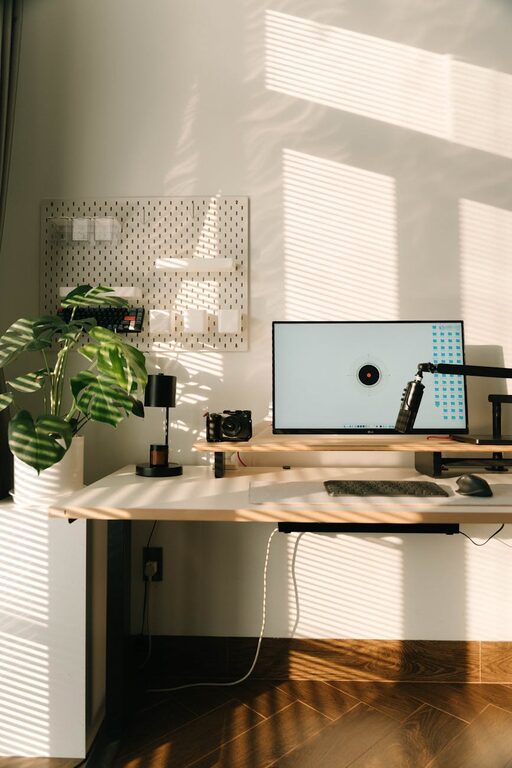
Creating a relaxing home workspace is essential for anyone who works remotely or spends a lot of time at a desk. A space that combines comfort, organization, and personal style can significantly improve your focus and reduce stress. Whether you have a dedicated room or just a small corner, these tips will help you transform your area into a peaceful and productive environment.
Choose the Right Location
Your workspace location plays a huge role in how relaxed and effective you feel. Consider these factors when selecting your spot:
– Natural Light: Aim for a space near a window to benefit from natural light. It can boost your mood and reduce eye strain.
– Quietness: Choose a spot away from noisy areas like the kitchen or living room to minimize distractions.
– Ventilation: Good airflow helps keep you comfortable and alert, so a well-ventilated room is ideal.
Invest in Comfortable Furniture
Comfort is key when it comes to relaxing workspaces. Uncomfortable chairs or desks can cause physical strain and tension.
– Ergonomic Chair: Pick a chair with good lumbar support and adjustable features.
– Desk Height: Your desk should allow your elbows to rest at about a 90-degree angle.
– Footrest: If needed, use a footrest to maintain proper posture and reduce leg fatigue.
Keep Your Workspace Organized
A cluttered desk can distract you and increase stress levels. Use simple organization techniques to maintain a neat area:
– Storage Solutions: Use shelves, drawers, or boxes to keep papers and supplies tidy.
– Minimal Items: Only keep essential tools and items on your desk.
– Daily Cleanup: Spend just five minutes at the end of each day tidying up your workspace.
Personalize Your Space
Adding personal touches can make your workspace more enjoyable and inviting.
– Plants: Small plants can improve air quality and add a calming natural element.
– Art and Photos: Displaying your favorite artwork or photos can inspire and motivate you.
– Color Scheme: Choose soothing colors like blues, greens, or neutrals to create a peaceful atmosphere.
Manage Lighting Wisely
Proper lighting reduces eye strain and creates a comfortable setting:
– Task Lighting: Use a desk lamp with adjustable brightness for focused work.
– Avoid Glare: Position your screen to reduce reflections and glare from windows or lights.
– Ambient Lighting: Soft, indirect lighting can help create a relaxing mood.
Incorporate Calming Elements
Small additions can make your workspace more relaxing:
– Aromatherapy: Use a diffuser or scented candles with calming scents like lavender or eucalyptus.
– Sound: Consider gentle background sounds, such as nature sounds or soft music, to improve concentration.
– Break Area: If space allows, have a separate spot to stand, stretch, or relax for short breaks.
Establish Boundaries
Working from home comes with unique challenges. Setting boundaries helps maintain balance:
– Defined Work Hours: Stick to a schedule to prevent overworking.
– Separate Workspace: Avoid working from your bed or couch to keep your workspace professional.
– Signage: If sharing space, use a sign or signal to indicate when you shouldn’t be disturbed.
Prioritize Ergonomics and Movement
Even in a relaxing workspace, staying active is important:
– Standing Desk: Consider a sit-stand desk to alternate your position during the day.
– Stretch Breaks: Take short breaks every hour to stretch your neck, shoulders, and back.
– Proper Screen Placement: Position your monitor at eye level to reduce neck strain.
Conclusion
Designing a relaxing home workspace is all about balancing comfort, organization, and personal style. By creating a calm environment where you can focus without distractions, you’ll improve both your productivity and well-being. Start with these practical tips and customize your space to fit your needs—your workday will thank you!