
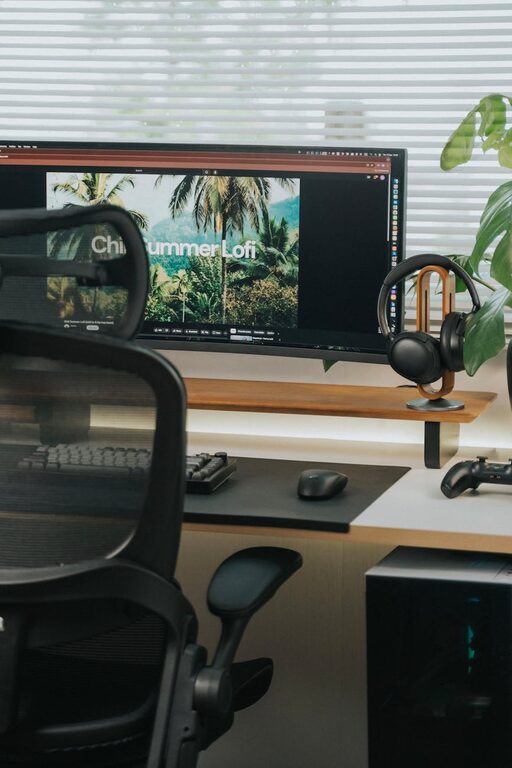
Creating a cozy and functional home workspace is essential for maintaining focus, comfort, and motivation throughout your workday. Whether you work remotely full-time or need a quiet place to tackle occasional tasks, your workspace should support both your productivity and well-being. Here are practical tips to help you design a home office that balances comfort with functionality.
Choose the Right Location
Selecting the right spot for your workspace is the first step.
– Quiet and Low-traffic: Pick a place with minimal distractions to help you focus.
– Natural Light: Work near a window if possible. Natural light boosts mood and reduces eye strain.
– Space Considerations: Make sure there is enough room for your desk, chair, and other essentials without feeling cramped.
If your home lacks a dedicated room, consider a corner or niche that can be sectioned off visually using a screen or bookshelf.
Invest in Comfortable and Supportive Furniture
Comfort is key for long hours at your desk.
– Ergonomic Chair: Choose a chair that supports your lower back and promotes good posture.
– Desk Height: Your desk should allow your arms to rest at a 90-degree angle while typing.
– Flexible Furniture: Adjustable desks or standing desk converters can add variety to your workday and improve health.
Don’t forget accessories like footrests or wrist supports if needed.
Organize for Efficiency
Keeping your workspace tidy helps reduce stress and wasted time.
– Storage Solutions: Use shelves, drawers, or organizers to keep supplies within reach but out of sight.
– Declutter Regularly: Remove unnecessary items to maintain a clean workspace.
– Cable Management: Use clips or sleeves to avoid tangled cords and keep your desk neat.
Labeling storage bins or files can speed up finding what you need.
Personalize Your Workspace
Adding personal touches makes your space inviting and motivating.
– Plants: Indoor plants improve air quality and add color and life.
– Art and Photos: Hang pictures or display items that inspire and make you happy.
– Comfort Items: A soft throw blanket or cushioned seat pad can increase coziness.
Just be mindful not to overcrowd your desk or create distractions.
Optimize Lighting
Good lighting reduces eye strain and sets the mood.
– Layered Lighting: Combine natural, overhead, and task lighting for flexibility.
– Desk Lamp: Use an adjustable lamp with warm light to focus on work tasks.
– Avoid Glare: Position your monitor to avoid reflections from windows or lights.
Consider smart bulbs that allow you to adjust brightness and color temperature throughout the day.
Minimize Noise Distractions
A calm environment supports concentration.
– Noise-Canceling Headphones: Useful for blocking noise if your space is not entirely quiet.
– Soft Furnishings: Rugs, curtains, and cushions help absorb sound.
– White Noise: A white noise machine or app can mask disruptive sounds.
If outside noises persist, aim to schedule focus work during quieter times.
Maintain Good Air Quality
A fresh room helps keep energy levels high.
– Ventilation: Open windows when weather permits or use fans to improve air circulation.
– Air Purifiers: Consider an air purifier if your space tends to feel stuffy.
– Plants Again: Certain plants also help purify indoor air.
Set Boundaries Between Work and Home Life
Keeping your workspace separate aids in balance and focus.
– Defined Work Hours: Decide when you’ll start and stop work each day.
– Physical Separation: Close the door to your workspace if possible or use visual dividers.
– Clean Up at Day’s End: Tidy your desk to signal the end of the workday and mentally switch off.
Incorporate Technology Thoughtfully
Your tools should help, not hinder.
– Reliable Internet: A strong connection is essential for video calls and smooth work.
– Ergonomic Accessories: Use an external keyboard, mouse, or monitor to reduce strain.
– Backup Power: Consider a surge protector or battery backup for important equipment.
Keep software and devices updated to avoid technical issues.
Encourage Movement and Breaks
A cozy workspace supports your health beyond just work tasks.
– Stretch Regularly: Set reminders to stand and stretch every hour.
– Create a Relaxing Spot: A comfortable chair or nook nearby invites short breaks.
– Hydration Station: Keep water within reach to stay hydrated.
Incorporating these habits can improve comfort and productivity.
—
Creating a cozy and functional home workspace is all about blending comfort, organization, and good design. By thoughtfully choosing your space, arranging your furniture, personalizing your environment, and managing light and noise, you can build a home office that supports both your work and well-being. Take your time setting it up — a well-crafted workspace is an investment in your daily happiness and success.